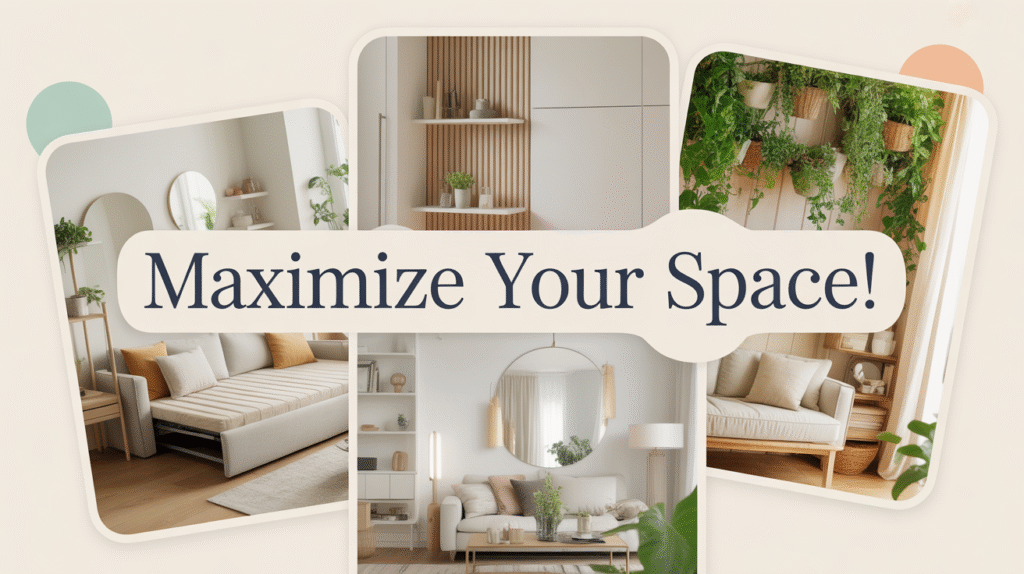
Living in a small space doesn’t mean you have to compromise on style or comfort. With thoughtful planning and clever design choices, even the tiniest apartments or cozy homes can feel spacious, functional, and visually stunning. From creative storage solutions to strategic furniture placement, maximizing every square foot can transform your living space into a practical and aesthetically pleasing haven.
How to Maximize Small Spaces: Home Decor Ideas That Make a Big Impact
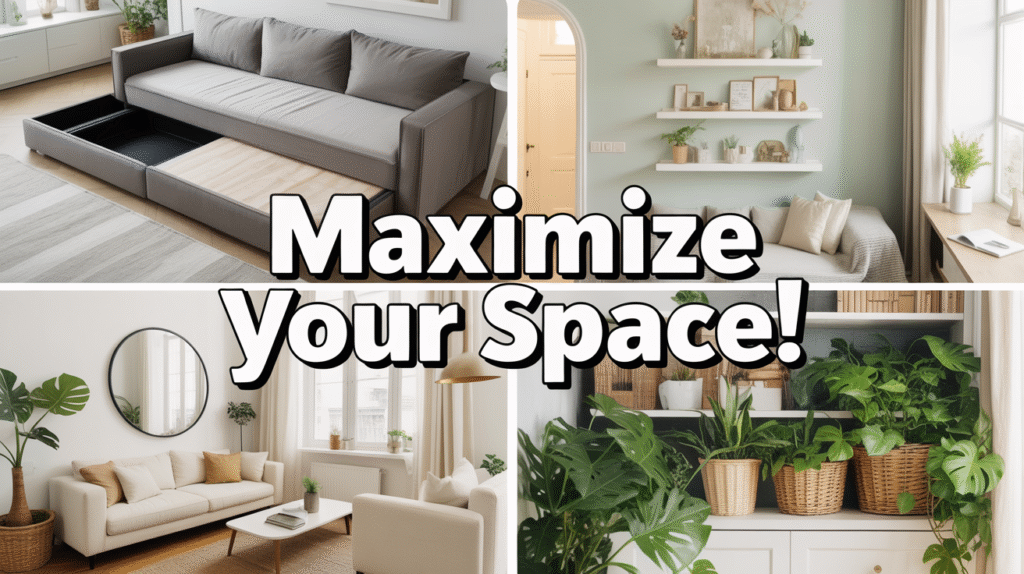
Maximize Small Spaces often require multifunctional solutions. For instance, furniture that doubles as storage, wall-mounted shelves, and foldable tables not only save space but also create a clean, organized look. By prioritizing versatility and avoiding clutter, you can achieve a room that feels airy and inviting, no matter its size.
Another key factor is the use of color, light, and texture. Light hues, reflective surfaces, and smart lighting tricks can make rooms appear larger, while textures and patterns add personality without overwhelming the space. By combining functionality with visual appeal, small homes can have a big impact on both style and comfort.
1: Multi-Functional Furniture: Double the Use, Half the Space
When living in a small home, every piece of furniture should pull double duty. Think of a sofa that converts into a bed for guests, a coffee table with hidden storage, or an ottoman that doubles as extra seating and a storage bin. Multi-functional furniture not only maximizes floor space but also reduces clutter, making the room feel more open and organized. By carefully selecting versatile pieces, you can enjoy comfort, convenience, and style without compromising on space.

In addition, multi-functional furniture allows for flexible layouts that can adapt to different needs. For example, a foldable dining table can expand when entertaining guests and shrink for everyday use, while a bookshelf room divider can separate areas without blocking light. These practical solutions ensure that even the coziest apartments feel roomy and well-designed. Investing in furniture that serves multiple purposes is one of the most impactful strategies for creating a small space that feels large, functional, and stylish.

2: Vertical Storage: Make the Most of Your Walls
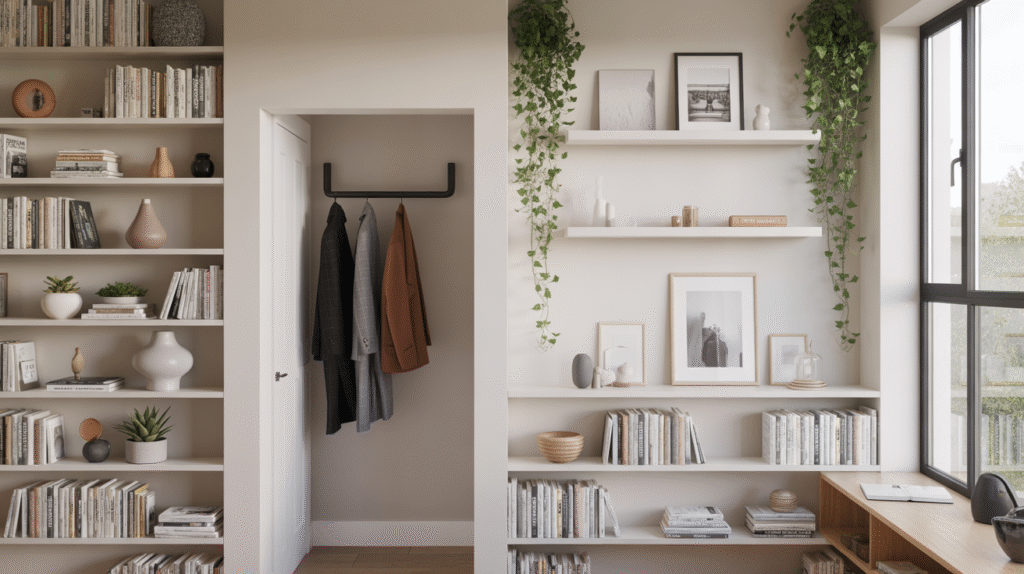
In small spaces, the walls are just as valuable as the floor. Vertical storage solutions help you utilize every inch of available space while keeping your home organized and visually appealing. Wall-mounted shelves, hanging racks, and tall bookcases draw the eye upward, creating the illusion of height and making the room feel larger. By stacking storage vertically, you can free up precious floor space for movement and other functional areas.

Additionally, vertical storage allows for creative displays that double as décor. Open shelves can showcase books, plants, or decorative objects, adding personality without taking up room. Pegboards in kitchens or offices keep essentials within reach while maintaining order. Embracing vertical storage is a smart and stylish strategy to maximize small spaces while keeping them functional, airy, and aesthetically pleasing.
3: Light Colors and Mirrors: Create an Airy, Spacious Feel
Using light colors is one of the simplest yet most effective ways to make a small space feel larger. Soft neutrals, pastels, and whites reflect natural light, brightening the room and giving it an open, airy atmosphere. Pairing light-colored walls with furniture and décor in similar shades creates a cohesive, uncluttered look that visually expands the space.
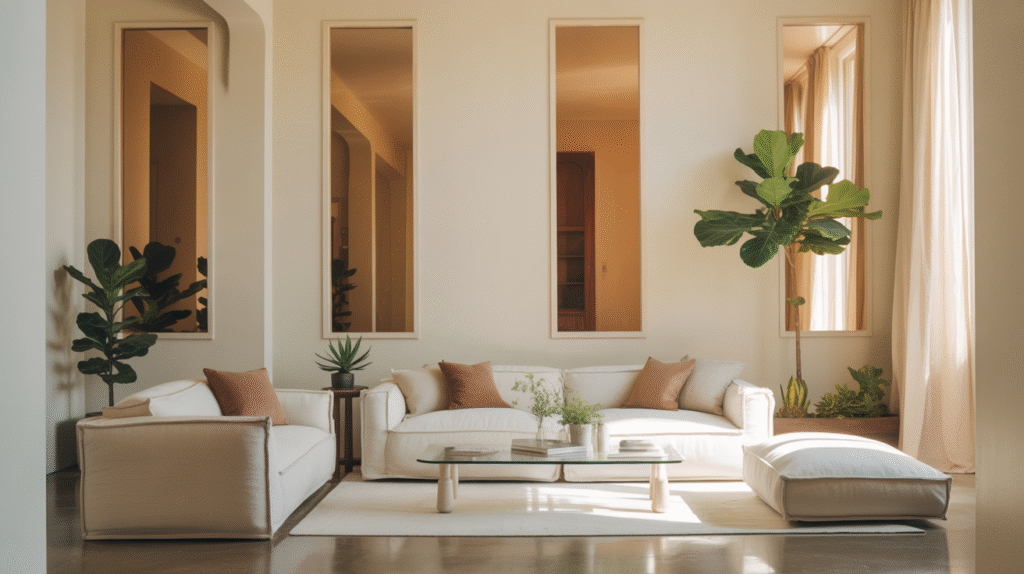
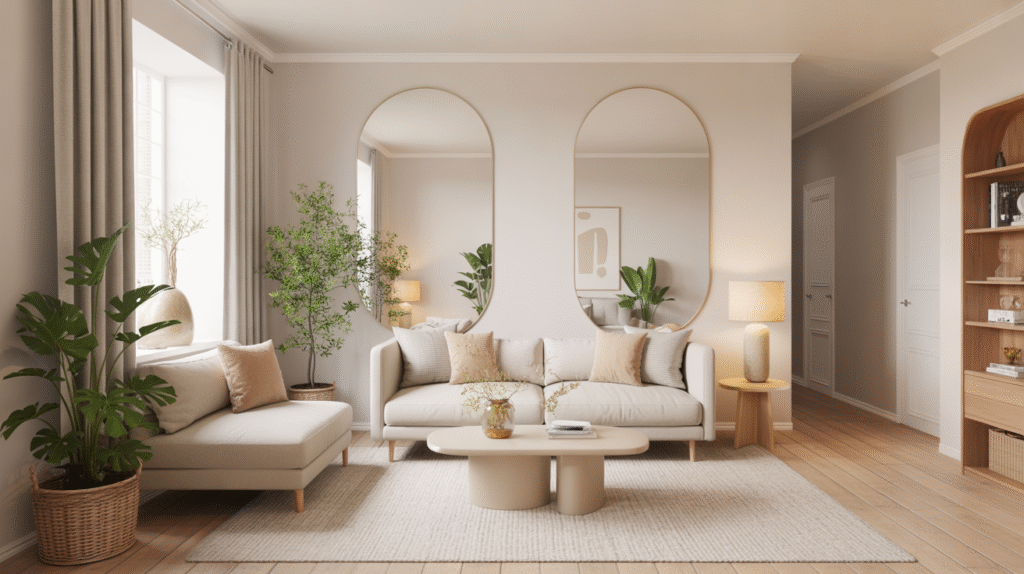
Mirrors are another powerful tool for small spaces. Strategically placed mirrors can reflect light, create depth, and give the illusion of a bigger room. A large mirror behind a sofa or a mirrored wardrobe can instantly make a compact area feel more open and luxurious. Combining light colors with reflective surfaces allows small homes to feel more spacious, elegant, and inviting without any structural changes.
4: Clever Furniture Placement: Open Up the Flow
The way you arrange furniture can dramatically affect how spacious a small room feels. Placing larger pieces against walls and keeping pathways clear allows for better movement and creates an open, airy environment. Avoid overcrowding corners or blocking windows, as this can make even a well-designed room feel cramped. By thoughtfully arranging furniture, you can maximize functionality while maintaining a sense of openness.

Floating furniture, such as a sofa or table slightly away from walls, can also create depth and make rooms appear larger than they are. Additionally, arranging seating in conversational zones or multifunctional areas allows for both comfort and practicality. Clever furniture placement transforms small spaces into efficient, inviting areas that feel balanced and harmonious.

5: Use Multi-Layered Lighting: Brighten Every Corner
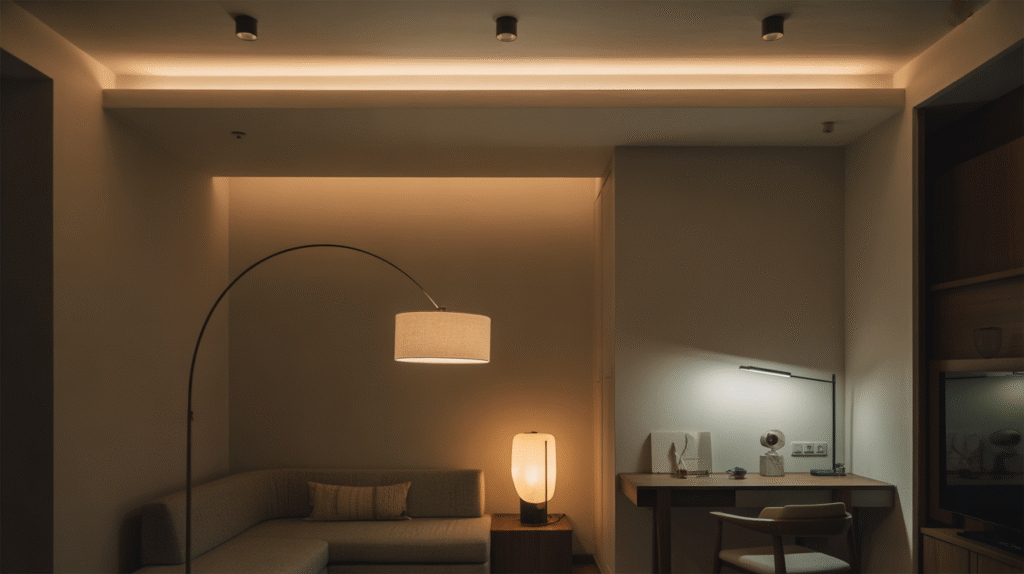
Lighting plays a crucial role in making small spaces feel larger and more inviting. Relying on a single overhead light can leave corners dark and cramped, so layering different types of lighting is key. Combine ambient lighting, such as ceiling fixtures, with task lighting like desk lamps or under-cabinet lights, and accent lighting for décor or artwork. This approach creates depth, warmth, and visual interest, making the space feel expansive and well-designed.
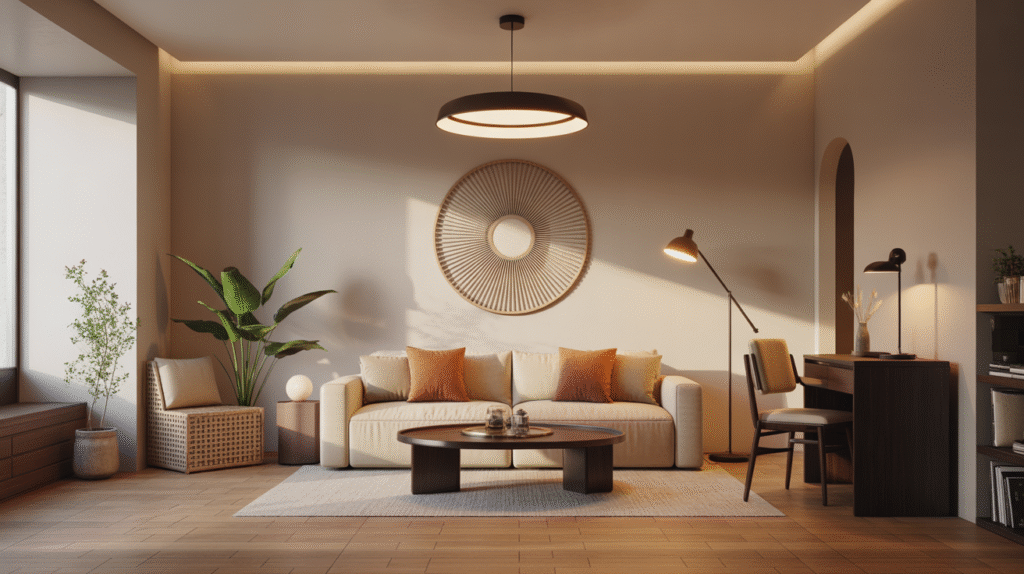
Additionally, using dimmable lights and strategically placed lamps allows you to adjust the ambiance according to the time of day or activity. Mirrors paired with lighting can further enhance brightness and give the illusion of a bigger room. Thoughtful, multi-layered lighting turns small spaces into welcoming, functional, and stylish environments.
6: Declutter and Organize: Less is More
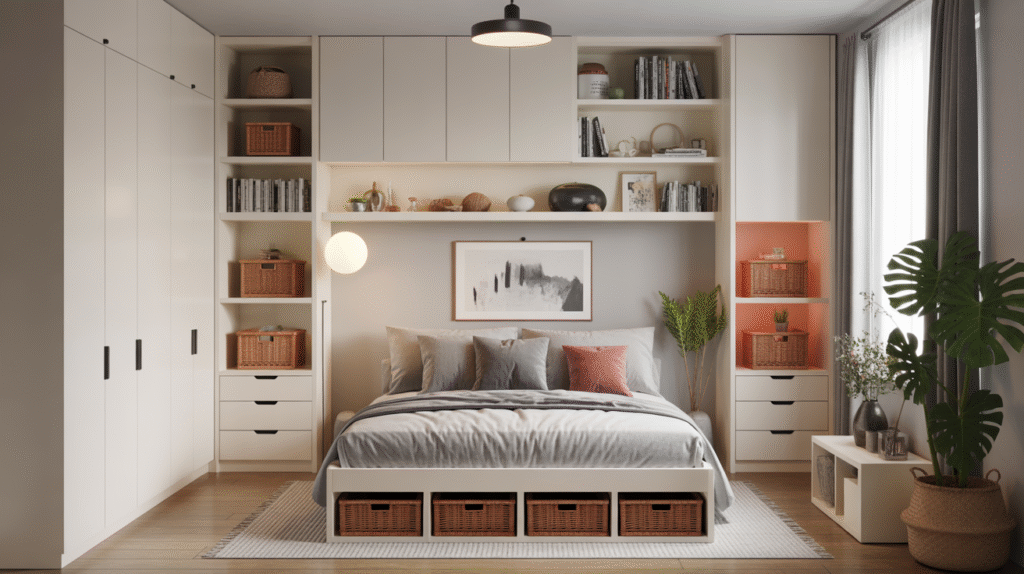
In small spaces, clutter can quickly make a room feel cramped and chaotic. Prioritizing organization and keeping only essential items not only frees up space but also creates a calm, visually appealing environment. Using baskets, bins, and drawer organizers helps keep belongings neatly stored and out of sight, while open spaces remain functional and inviting.
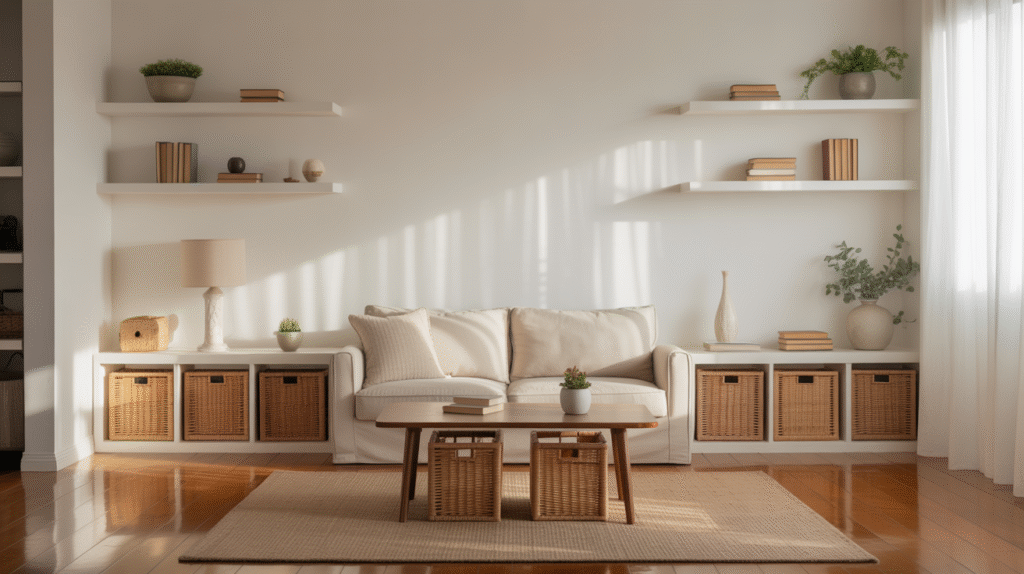
Minimalism doesn’t mean sacrificing style. Thoughtfully curated décor, like a few statement pieces or plants, adds personality without overwhelming the room. By embracing the principle of “less is more,” you can make even the tiniest space feel orderly, spacious, and stylish, proving that careful organization is one of the most impactful ways to maximize small homes.
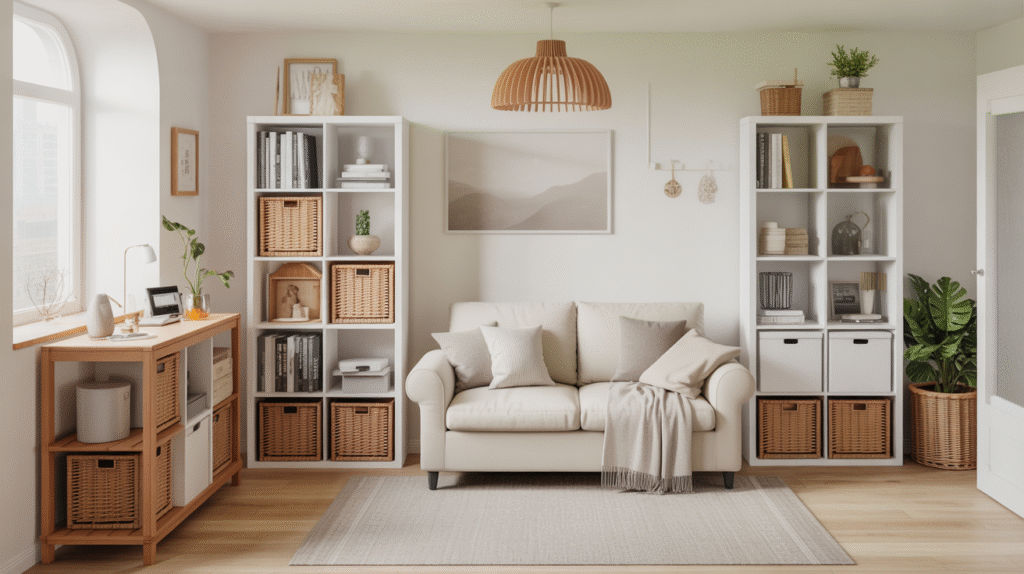
7: Foldable and Expandable Pieces: Flexibility on Demand
In small homes, furniture that can adapt to different needs is a game-changer. Foldable chairs, expandable dining tables, and wall-mounted desks allow you to adjust your space based on daily activities or special occasions. When not in use, these pieces can be tucked away, freeing up valuable floor space and keeping the room feeling open and uncluttered.
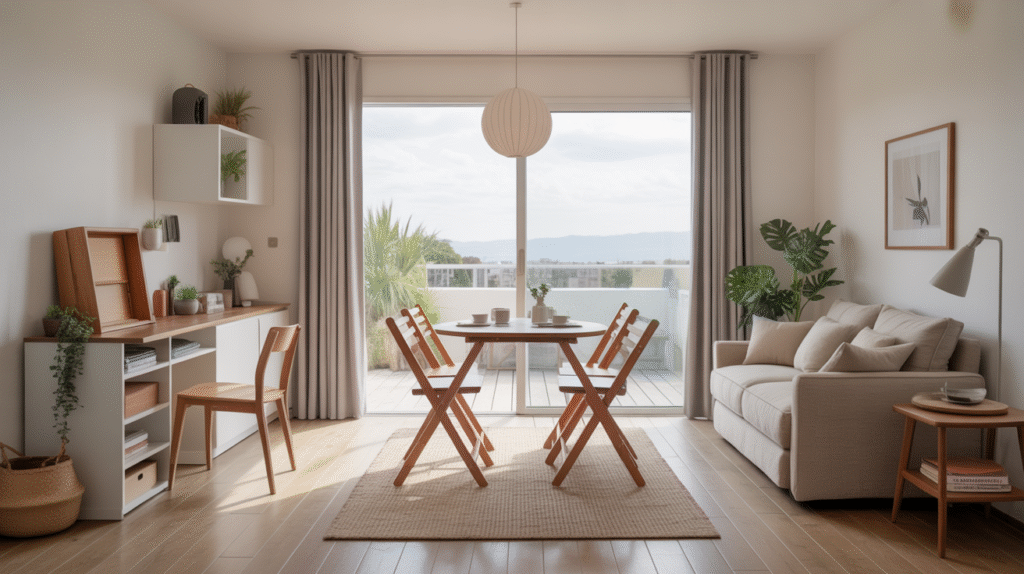
This flexibility also encourages creative layouts. For instance, a fold-down desk can turn a living area into a temporary workspace, while a collapsible dining table can accommodate guests without overwhelming the room. By incorporating foldable and expandable furniture, small spaces can remain functional, stylish, and highly adaptable to any situation.
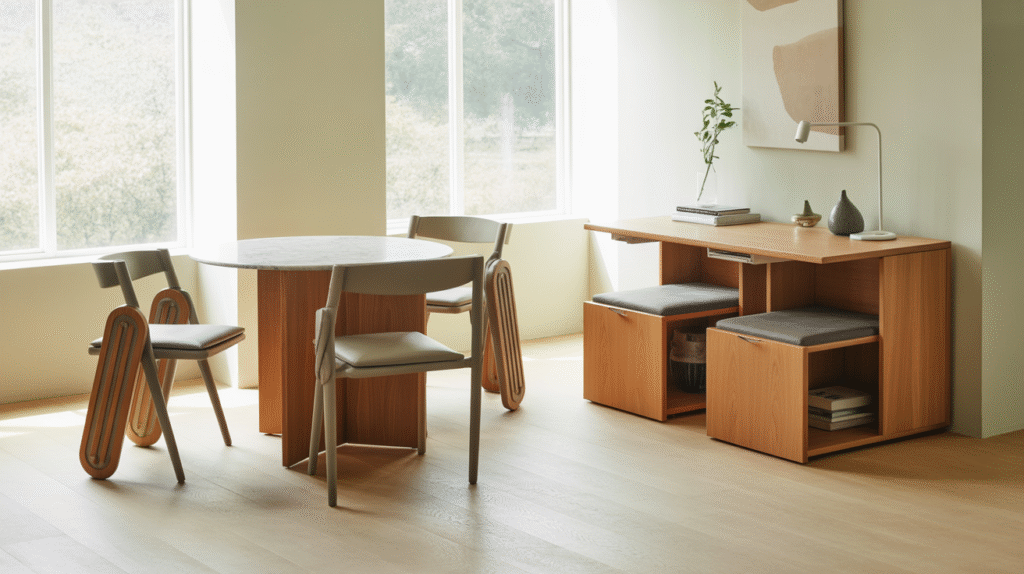
8: Smart Storage Solutions: Hidden and Creative Spaces
In small homes, thinking outside the box for storage can make a huge difference. Hidden storage solutions, such as under-bed drawers, built-in cabinets, or stair-step storage, maximize space without sacrificing style. Even unconventional areas like the tops of cabinets or the backs of doors can be transformed into functional storage zones.
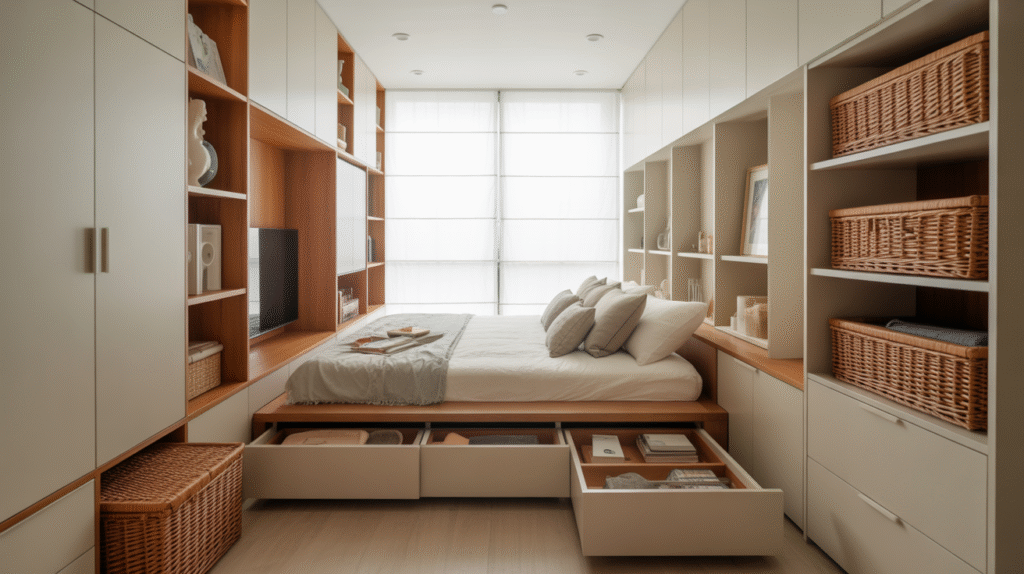
Creative storage also adds to the aesthetic appeal of a room. Stylish baskets, decorative boxes, or built-in niches allow you to organize belongings while complementing the décor. By using every available space intelligently, you can maintain a tidy, efficient, and visually appealing home that feels much larger than its actual footprint.
9: Use Rugs to Define Zones: Create Structure in Open Spaces
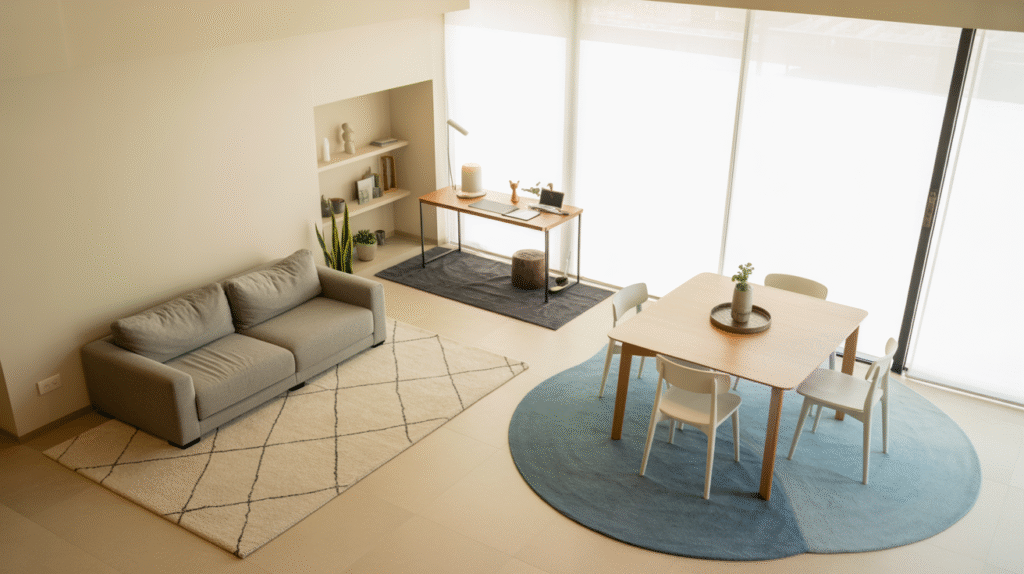
In small open-plan homes, rugs are an excellent way to visually separate different functional areas without adding walls or bulky dividers. A rug under a dining table, seating area, or workspace helps define each zone while adding texture, color, and warmth to the room. This simple trick makes small spaces feel organized, intentional, and spacious.
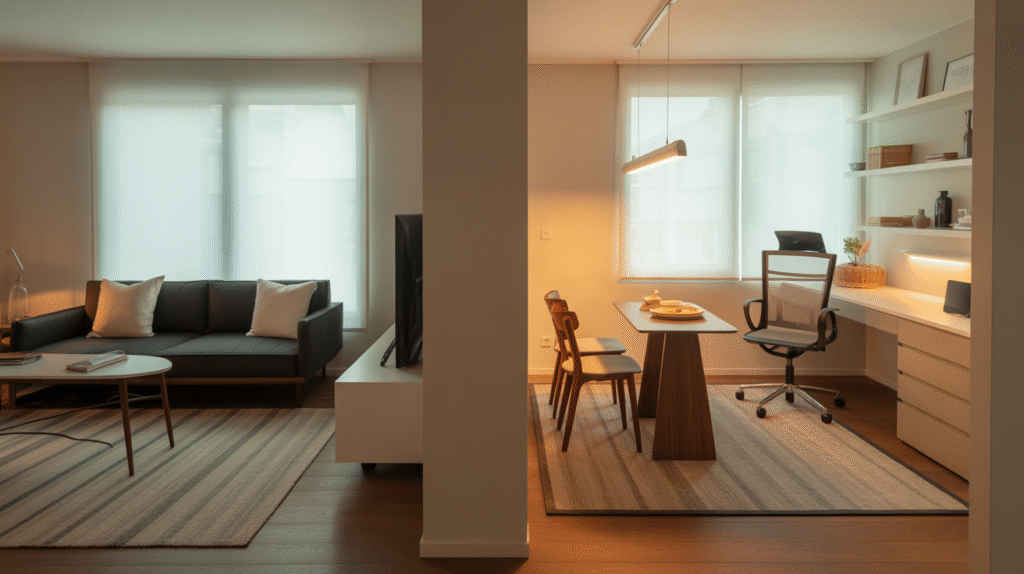
Layering rugs or choosing rugs with complementary patterns can also add depth and interest without overwhelming the room. By strategically placing rugs, you can create distinct zones, guide the flow of the space, and enhance the overall aesthetic. Thoughtful rug placement is a subtle but highly effective method to maximize small spaces while keeping them cozy and stylish.
10: Incorporate Plants and Greenery: Bring Life to Small Spaces
Adding plants is one of the simplest ways to enhance a small space. Greenery not only adds color and texture but also creates a sense of freshness and vitality. Hanging planters, small potted plants on shelves, or vertical gardens make use of space without crowding the floor, while contributing to a calm and inviting atmosphere.

Plants can also serve as natural focal points, drawing attention and adding personality to a room. Even in tiny apartments, carefully chosen greenery can transform a space, making it feel more open, lively, and connected to nature. Incorporating plants is an easy and effective strategy to make small homes feel bigger, brighter, and more welcoming.

Final Thoughts: Making Small Spaces Shine
Maximizing small spaces is all about combining creativity, functionality, and style. From multi-functional furniture and clever storage solutions to light colors, mirrors, and greenery, each element contributes to a home that feels spacious, organized, and inviting. Small spaces don’t have to feel limiting—thoughtful design choices can make every corner count and create an environment that is both practical and visually appealing.
Remember, the key is balance. Avoid overcrowding, embrace minimalism where possible, and use flexible, adaptable furniture to make your home work for your lifestyle. By implementing these tips, even the tiniest apartments or cozy homes can leave a big impact, proving that great design isn’t measured by square footage but by smart choices and personal style.